
Equity and Diversity Fund
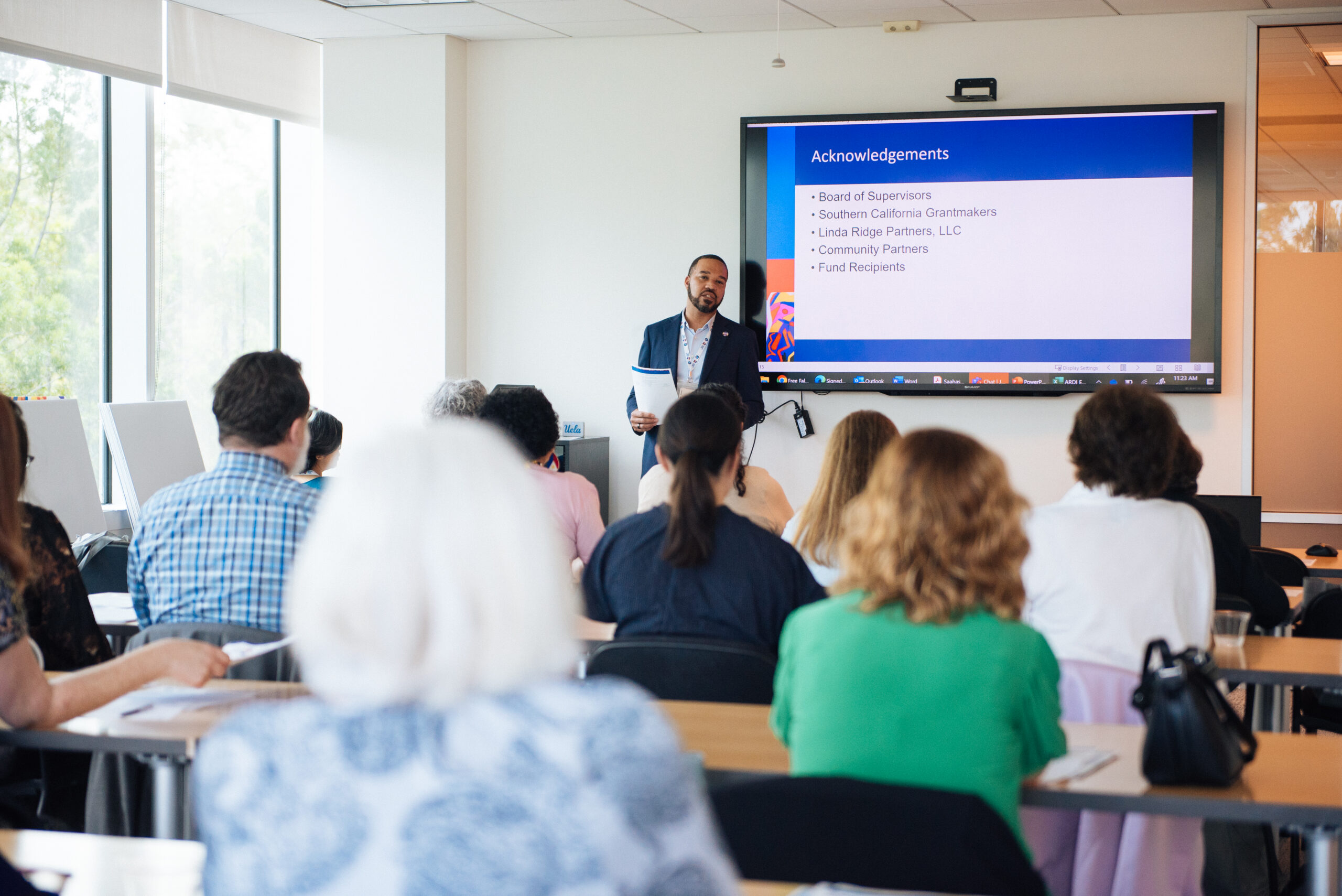
On April 6, 2021, the Board of Supervisors (Board) adopted the motion, Los Angeles County Initiative on Asian Americans, Native Hawaiians and Pacific Islanders, co-authored by Supervisors Hahn and Mitchell. In this motion, the Anti-Racism, Diversity, and Inclusion (ARDI) Initiative was directed to explore the feasibility of launching the LA County Equity and Diversity Fund. ARDI submitted three report backs leading up to the submission of the recommendation for the Equity Fund spending plan on November 29, 2022, which was adopted by the Board on March 7, 2023.
In September 2024, ARDI, in collaboration with Southern California Grantmakers (SCG), announced the launch of the County of Los Angeles Equity and Diversity Fund. The initial goal of the fund is to provide resources to Community-Based Organizations (CBOs) and County departments to prevent and combat identity-based hate, bias, discrimination, and xenophobia against marginalized groups, enhance community safety, as well as celebrate the diversity of Los Angeles County’s communities through cultural and artistic activities. The four funding categories for CBO interventions included:
Community Safety and Violence Prevention
- Activities that address violence and protect members who are at increased risk for and/or vulnerable to experiencing violence, including, but not limited to, people of color, older adults, women, trans individuals, and immigrants.
Healing-Centered Practices
- Activities that promote healing and restorative justice-centered practices that center victims’ needs, repair harm, and/or reduce future violence among former offenders when targeted violence occurs.
Intergroup Relations
- Activities that facilitate cross-racial solidarity and collaborative action toward advancing racial equity. Services provided will include programs that build, foster, and/or strengthen community- and faith-based partnerships in various different communities, including between AANHPI, American Indian/Alaska Native, Black, and Latino/a/x and all faiths.
Arts-based Cultural Performance and Community Events
- Activities that offer creative placemaking and cultural activities to facilitate conversations about culture, truth, and racial healing.

Equity and Diversity Fund Recipients
Approximately 200 funding proposals were received, totaling $9,570,683 million in requests. Ten (10) organizations were ultimately funded across the four service categories. Below is a list of funded organizations and a description of their projects.





Arts-Based Cultural Performance and Community Events
https://www.eastwestplayers.org/
East West Players focused its activities on the production of playwright Prince Gomolvilas’ Paranormal Inside, a play about honoring the cultures and communities before you, and about inter-cultural solidarity.
https://jaccc.org/
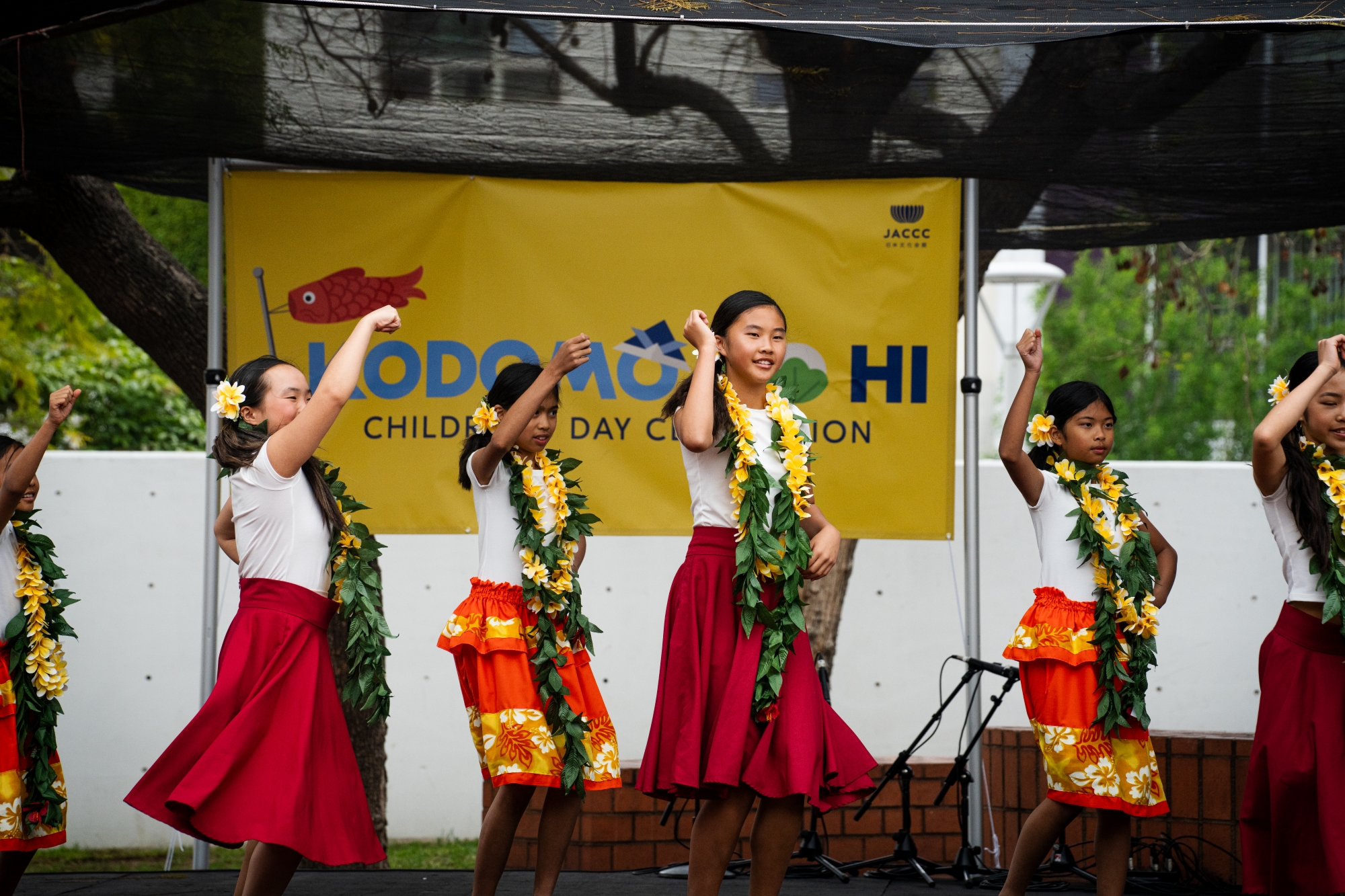
JACCC hosted the “Kodomo no Hi (Children’s Day) Celebration” on May 4, 2025, an arts-focused festival that welcomed over 4,300 multigenerational participants to celebrate AANHPI culture. Revived in 2023 after a long hiatus, the event has grown significantly each year. Additional funds also supported Kodomo no Hi (Children’s Day) Celebration the following year on May 3, 2026.
https://www.kcdancers.org/
The Keshet Chaim Dance Ensemble implemented a Holocaust education program through theatrical performances of SURVIVORS, a play by Wendy Kout, at schools within LA County and one public venue. The performances aimed to educate middle and high school students and adults about the Holocaust and promote discussions on combating modern-day antisemitism, extremism, and prejudice.
Community Safety and Violence Prevention
https://depaulusa.org/locations/los-angeles/
Depaul USA conducted a series of five culturally responsive, trauma-sensitive public education workshops to engage community members in the Westlake/MacArthur Park neighborhoods, including Spanish-speaking immigrants and unhoused community members who are disproportionately targeted for physical violence, verbal abuse, or intimidation. Workshops focused on: building situational awareness and assessing threats; de-escalating and avoiding conflict; teaching self-defense and escape strategies; and accessing community resources.
https://innercityvisions.org/
Through its Safer Florence-Firestone Communities project, Inner City Visions implemented an initiative to foster healing, safety, and resilience. The program included interactive workshops on conflict resolution and community building, on-site crisis intervention support by trained Crisis Intervention Workers (CIWs), and a Community Ambassador (CA) providing access to critical safety, health, and community resources.
https://parsequalitycenter.org/
Pars Equality Center provided in-language mental health and peer support program specifically designed for Afghan and Iranian refugees in Los Angeles County, given the cultural and religious backgrounds of these communities and the challenges they face due to their Muslim identity, including discrimination and potential violence. The program offered several services including: peer counseling by trained professionals who understand the unique challenges of Afghan and Iranian refugees; self-defense classes to empower refugees, especially women and youth, to build confidence and protect themselves in unsafe environments; and a dedicated phone line for mental health consultations, crisis intervention, case management, and referrals.
https://risingcommunities.org/
Rising Communities implemented a comprehensive program designed to foster racial healing and equity in the South LA community. Key components included a Justice, Equity, Diversity, and Inclusive Certification course, community workshops, and community events focused on community safety and violence prevention.
https://saahasforcause.org/
Saahas for Cause implemented a program to reach South Asian women in Los Angeles County and focused on raising awareness of hate crimes, situational safety, victim rights, and self-advocacy, while fostering cultural pride and resilience. Activities include: community safety workshops focused on addressing hate crimes and incidents, building situational awareness and safety strategies, legal rights and public services, reporting hate crimes and bystander intervention, and de-escalation techniques.
Healing-Centered Practices
https://weareriseinc.org/
We Are R.I.S.E. Inc. implemented a healing-centered mentorship program designed to support girls (ages 8-17) and their families in communities impacted by systemic violence, the war on drugs, and human trafficking. This program will provide restorative circles, trauma healing workshops, and mentorship activities to foster emotional resilience, enhance social-emotional skills, and promote racial healing. This initiative was designed to build self-efficacy, accountability, and leadership skills, while addressing historical and generational trauma.
Intergroup Relations
https://www.api-rise.org/
API RISE implemented a comprehensive intergroup relations program aimed at fostering cross-cultural solidarity, healing, and leadership development among diverse communities, particularly those impacted by systemic barriers such as poverty, violence, and incarceration. Leadership development was a key component, which encouraged participants to co-plan and co-facilitate activities, further strengthening their roles within their communities.
Evaluation
ARDI will release a final evaluation of the Equity Fund by December 2026. The purpose of this evaluation is to evaluate the implementation and early outcomes of the 10 funded organizations with respect to the Board of Supervisors’ goals of addressing hate, bias, discrimination, and xenophobia, and celebrating the contributions of communities across Los Angeles County. The evaluation will focus primarily on documenting program implementation, assessing early outcomes associated with funded interventions, and identifying lessons learned to inform future County investments. Specifically, it will assess early outcomes aligned with the Board’s goals, including the extent to which funded interventions contributed to conditions associated with reducing identity-based hate, bias, discrimination, and violence, and focus on the following objectives:
- Document how selected awardees’ programs were funded and implemented, including successes and challenges.
- Assess early outcomes aligned with the Board’s goals related to awareness, representation, and community engagement.
- Assess the reach of funded programs across communities, organizations, and geographic areas.
- Identify lessons learned about effective approaches for investment in and implementation of efforts to address hate, bias, discrimination, and xenophobia.